

While today “chai” commonly refers to a type of spiced tea, the word itself simply means “tea” in several languages—including Hindi, Farsi, Russian, Arabic, Turkish, Urdu, and Swahili. In fact, "chai" originates from the Mandarin Chinese word “chá”, which means tea. The word spread along the Silk Road, evolving into different forms in different cultures.
Interestingly, the word "tea" in English also traces its etymology back to Chinese dialects and international trade routes. "Tea" comes from the Amoy dialect (Min Chinese) spoken in southeastern China, where the term “te” was used. The Dutch were among the first Europeans to import tea from China in the early 17th century, and they adopted the word "thee, " which eventually became "tea" in English.
Basically, whether a culture uses "tea" or "chai" depends on the trade routes they used: Western Europe received tea via seaborne trade from southeastern China (leading to "tea"), while Central Asian and Eastern countries adopted "cha" from overland routes. So, in a way, saying “chai tea” is like saying “tea tea. ”
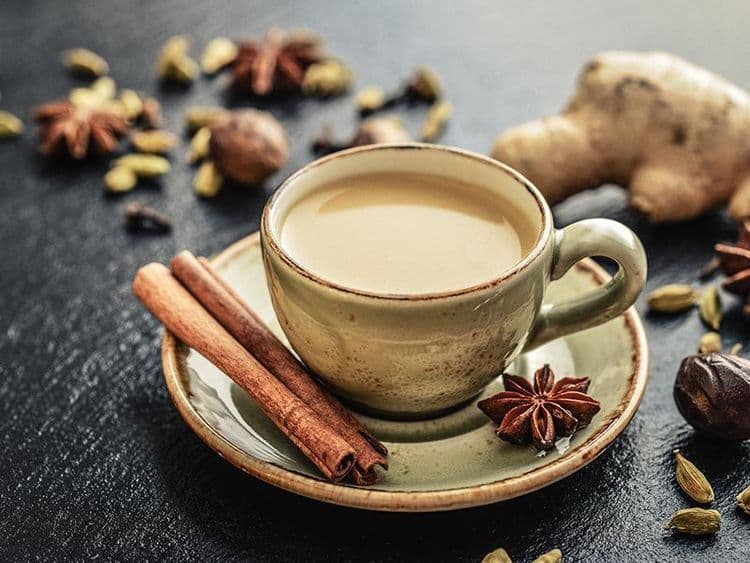
In India, the term "chai" took on a more specific meaning, referring to spiced tea. Known as masala chai, this popular Indian beverage is made by brewing black tea with a blend of aromatic spices and herbs such as cardamom, cinnamon, ginger, cloves, and pepper. The addition of milk and sugar is common, making the drink rich and sweet, unlike traditional Chinese or Japanese teas, which are typically served plain.
The British influence played a big role in the rise of tea consumption in India. During British colonial rule, the British East India Company established large tea plantations in Assam and other parts of India, introducing the culture of tea drinking to the local population. Over time, Indians made it their own by adding native spices, creating the version of chai that is popular worldwide today.
Now, chai is enjoyed globally, with many cafes offering various chai latte variations. Its unique blend of spices and rich history make chai more than just a drink—it’s a cultural fusion spanning centuries and continents.