Fun Facts

Recent Content

Are you Smarter than a Sportscaster?

Show us what you've got!

Read more

Historical Figures 001

quiz

Read more

Fun Fact Face-Off: Daily Trivia

Think you've got what it takes?

Read more
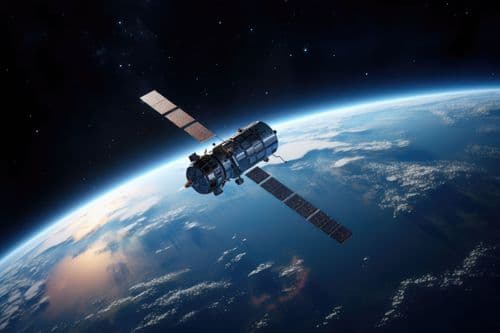
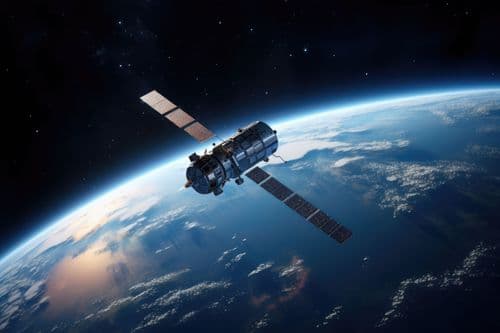
The Satellite That Came Back to Life After 46 Years

The Satellite That Came Back to Life After 46 Years

A 1960s satellite went silent in 1967, then suddenly started transmitting again in 2013 after 46 years. It's still working today - and no one knows why.

Read more
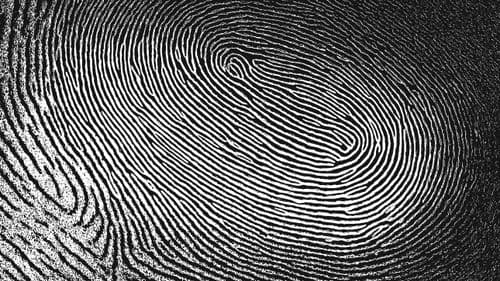
Why We Have Fingerprints Is Still a Mystery

Why We Have Fingerprints Is Still a Mystery

Scientists still debate why humans evolved fingerprints. The leading theories keep getting disproven, making it one of biology's enduring mysteries.

Read more
See All Content

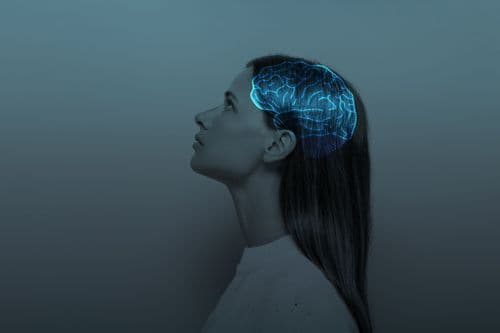
The Science Behind Why Time Feels Faster as You Age

Remember when summer vacation felt like it lasted forever when you were a kid? Now a year flies by in what feels like a month. This isn't just your imagination or nostalgia – your brain actually processes time differently as you age, and the reason is both fascinating and kind of depressing.

When you're 10 years old, one year represents 10% of your entire life. When you're 50, one year is only 2% of your life. This proportional difference makes each year feel shorter and less significant as you age. One theory suggests your brain perceives time relative to how much you've already lived.

But there's more going on than just math. Your brain creates memories based on new experiences, and as you age, you have fewer genuinely new experiences. When you're a child, almost everything is new – your first day of school, your first sleepover, learning to ride a bike. Each novel experience creates strong, detailed memories.

As an adult, your life becomes more routine. You drive the same route to work, eat similar meals, follow the same weekly schedule. Your brain doesn't bother encoding routine experiences into detailed memories because it's already seen them before. This is efficient for brain function but creates a time perception problem.

When you look back on a year, your brain judges how long it was based on how many distinct memories you formed. A childhood summer with dozens of new experiences feels long in retrospect because you have so many memories. An adult year doing the same routine feels short because there's less to remember.

Scientists call this "reminiscence bump." Studies show that people in their 60s and 70s have the most vivid memories from ages 15-25, when they were having the most new experiences. The years before and after that period feel like they passed more quickly because fewer distinctive memories were formed.

There's also a biological component: your metabolism slows as you age. Some researchers believe that because your body's internal processes are running slower, your perception of external time speeds up by comparison. It's like how time seems to drag when you're feverish – your body is running faster than normal, so everything else feels slow.

Your brain's processing speed also decreases with age. Children's brains fire signals faster and process visual information more quickly. This means children literally see more "frames" of reality per second than adults do. To a child's faster-processing brain, time moves more slowly.

The most depressing part? This acceleration of time perception gets worse as you age. Each decade feels shorter than the last. By the time you're elderly, years can feel like months used to feel.

But here's the slightly hopeful part: you can fight this effect by seeking out new experiences. Travel to new places, learn new skills, break your routines. When you create novel experiences, your brain forms more distinct memories, which makes time feel slower in retrospect.

So if you've been feeling like years are flying by faster than they used to, you're not imagining it. Your brain is literally experiencing time differently than it did when you were younger – and the only way to slow it down is to stop living on autopilot and start making new memories.
Related Content

Fun Facts

11 January 2026

Post

The Satellite That Came Back to Life After 46 Years

A 1960s satellite went silent in 1967, then suddenly started transmitting again in 2013 after 46 years. It's still working today - and no one knows why....

Fun Facts

10 January 2026

Post

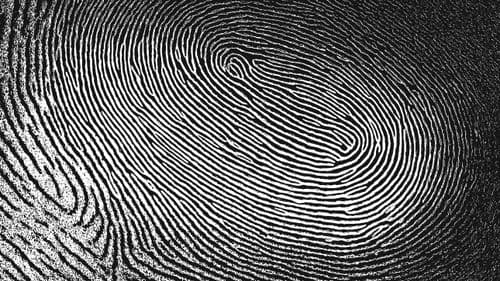
Why We Have Fingerprints Is Still a Mystery

Scientists still debate why humans evolved fingerprints. The leading theories keep getting disproven, making it one of biology's enduring mysteries....

Fun Facts

08 January 2026

Post

The Alaskan Village Disappearing Into the Sea

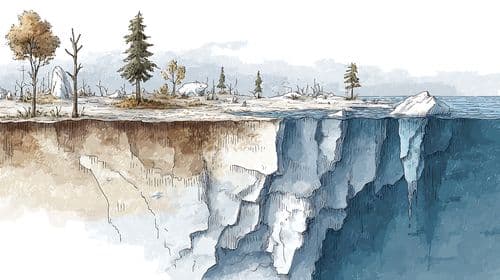
Alaska Native villages are sinking as permafrost thaws at 70 feet per year. 144 communities need to relocate, but the government has no plan to help them....

Fun Facts

07 January 2026

Post

Why Airplane Windows Have Tiny Holes in Them

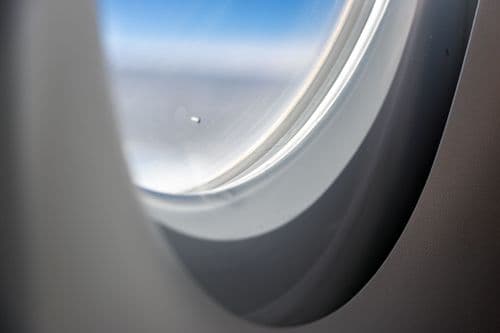
That tiny hole in airplane windows isn't a defect - it's the only thing preventing the window from exploding at 35,000 feet. Here's how it works....

Fun Facts

06 January 2026

Post

The Company That Secretly Owns Your Eyeglasses

One Italian company you've never heard of owns Ray-Ban, Oakley, LensCrafters, Sunglass Hut, and controls 80% of the eyewear industry....

Fun Facts

05 January 2026

Post

The Man Who Faked His Death and Hid Next Door

John Darwin faked his death in a kayaking accident and secretly lived next door to his family for 5 years. One photo destroyed everything....

Fun Facts

04 January 2026

Post

The Town Where It Rains Fish From the Sky

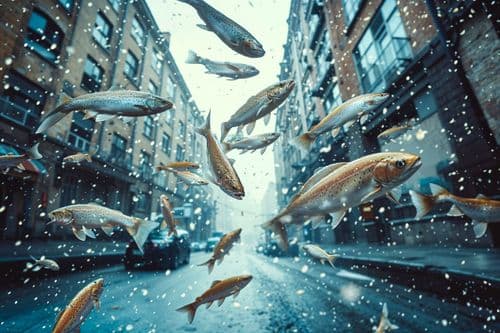
Every year in Yoro, Honduras, fish rain from the sky during storms. It's happened for 100+ years, and scientists still can't fully explain it....

Fun Facts

03 January 2026

Post

Why Printer Ink Costs More Than Human Blood

Printer ink costs more per ounce than human blood. Here's how printer companies engineered one of retail's biggest scams to trap you into paying....

Fun Facts

29 December 2025

Post

Why 80% of New Year's Resolutions Fail by February

80% of New Year's resolutions fail by February. Brain science explains why we're biologically terrible at keeping them—and why January 1st makes it worse....

Fun Facts

23 December 2025

Post

How November and December Are the Most Dangerous Months

Holiday decorating sends over 15,000 people to the ER annually, and spoiled Christmas leftovers cause 400,000+ illnesses. ...

Fun Facts

14 December 2025

Post

Why Pregnancy Permanently Rewires Your Brain

UC Irvine researchers discovered pregnancy causes permanent brain structure changes—gray matter shrinks while white matter grows, and it never goes back....

Fun Facts

12 December 2025

Post

Why Certain Songs Get Stuck in Your Head

Songs get stuck in your head because they hijack your brain's phonological loop. Scientists found listening to the whole song actually stops the repetition....

Fun Facts

07 December 2025

Post

Why Evergreen Trees Stay Green in Winter

Evergreens staying green in winter isn't about strength—it's a risky evolutionary gamble that sometimes backfires catastrophically when winter hits hard....

Fun Facts

06 December 2025

Post

The Vitamin Scam Running Since the 1940s

Most vitamins aren't absorbed by your body and get immediately rejected, but the supplement industry has been running this profitable scam since the 1940s....

Fun Facts

04 December 2025

Post

The Psychological Trick Behind Gift Cards

Billions in gift card money goes unspent every year because retailers designed them that way. The psychological tricks behind gift cards are pure profit....
Terms and ConditionsDo Not Sell or Share My Personal InformationPrivacy PolicyPrivacy NoticeAccessibility NoticeUnsubscribe
Copyright © 2026 Fun Fact Feed