

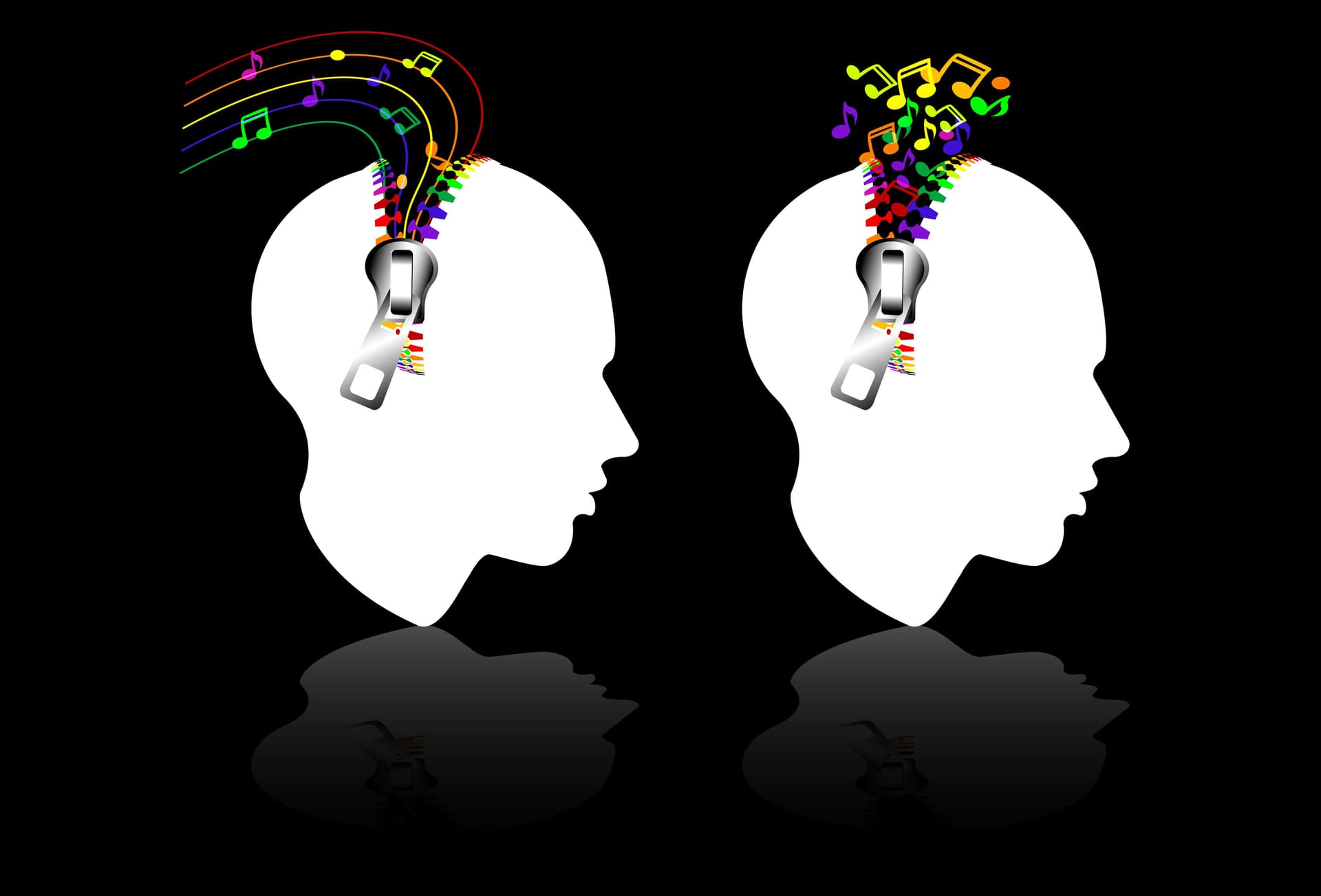
You're going about your day when suddenly "Baby Shark" starts playing in your head. It loops. And loops. And loops. Welcome to the hell of an earworm – a song fragment that hijacks your brain and won't let go.
The term "earworm" comes from the German word "ohrwurm," literally meaning "ear worm." It's been driving people crazy for over a century, and scientists only recently figured out why it happens.
About 90% of people experience earworms at least once a week, with over 25% getting them multiple times per day. Most earworms last 10-30 minutes, though some unfortunate souls report them lasting for hours or even days.
So what makes certain songs stick in your brain like auditory glue? Researchers have identified specific characteristics that make a song earworm-prone.
First: tempo and melody. Songs with fast tempos and simple, repetitive melodies are prime earworm material. Your brain is wired to recognize patterns, and repetitive music creates neural loops that keep firing. Think about songs like "Happy Birthday" or the chorus of basically any pop hit – they're designed to be instantly memorable.
But here's the trick: the song also needs something unusual. A weird interval, an unexpected note, or a unique rhythmic pattern. This is why "Bohemian Rhapsody" gets stuck in people's heads despite being complex – those unusual transitions make your brain pay attention.
The real culprit is something called the "phonological loop" in your auditory cortex. This is a short-term memory system that acts like a recording tape continuously storing small amounts of audio information. Normally, information gets processed and either forgotten or stored as long-term memory. But earworms get stuck in the short-term loop and just keep playing.
Earworms typically grab onto 15-30 seconds of a song – usually the catchiest part like the chorus or a hook. Your brain remembers this fragment but not the whole song, so it keeps replaying that snippet trying to "complete" the memory.
Here's what makes it worse: earworms strike when your cognitive load is low. When you're doing mindless tasks like showering, commuting, or falling asleep, your brain isn't occupied with anything demanding, so the earworm jumps into your unused mental RAM and runs in the background.
Stress and anxiety also make earworms worse. When you're overwhelmed, your brain can latch onto a repetitive idea as a weird coping mechanism. It's why people with OCD are more prone to persistent earworms – their brains are already wired for repetitive thought loops.
So how do you kill an earworm? Scientists have tested several methods, and some actually work.
The most effective technique: listen to the entire song from start to finish. This might sound counterintuitive, but earworms exist because you only remember part of the song. Your brain is trying to complete an incomplete memory. Listening to the whole thing satisfies that cognitive itch and closes the loop.
Immediately after, engage in something mentally demanding – sudoku, crossword puzzles, intense work tasks. This floods your cognitive bandwidth so the earworm can't get back in.
Chewing gum also works. A 2015 study found that the motor activity of chewing interferes with your brain's ability to "hear" the music internally, reducing both voluntary and involuntary musical thoughts.
Some people swear by "cure songs" – specific songs that replace the earworm without becoming earworms themselves. Research identified "God Save the Queen" and "Happy Birthday" as effective cure songs, though you risk just swapping one earworm for another.
Whatever you do, don't try to forcibly block the song out. This is called "ironic process" – the harder you try not to think about something, the more you think about it. It's like someone telling you "don't think about pink elephants." Congrats, now you're thinking about pink elephants.
The rise of streaming music and social media has made earworms worse. A hundred years ago, you'd have to go to a concert or party to hear music. Now it's everywhere – TikTok, Instagram reels, stores, cars, elevators. You're exposed to the same viral song clips hundreds of times, drilling them into your brain.
And yes, artists and advertisers absolutely design songs to be earworms on purpose. Commercial jingles, pop choruses, and viral TikTok sounds are engineered with the exact characteristics that make them stick. They're weaponized earworms designed to occupy your brain real estate.
So next time "All I Want for Christmas Is You" or "Baby Shark" takes over your mental playlist, remember: your brain isn't broken. It's just stuck in a cognitive loop that 90% of humans experience. And now you know how to break it.